
Digital media elements are the most powerful storytellers. Photographs are visual representations of ideas that reflect a specific emotion. When used correctly, visuals can engage people by creating an emotional response—curiosity, excitement, fear, or even a sense of urgency.
This captivating power of visuals to communicate makes them an essential and engaging part of online training. The images you use to represent your ideas reflect the tone of your training and help you determine whether or not you are capturing a learner's attention.
So, what approach should you take to find and select the most suitable images for your online training? What factors make one photograph better than another?
We have compiled professional tips in this article to help you find and select the best photographs for your online training!
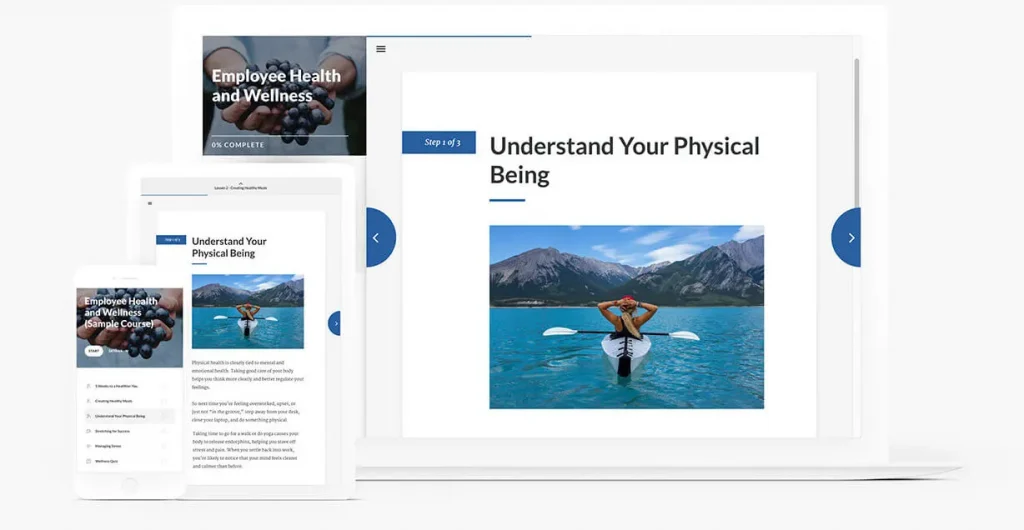
The best images do not just stick to a specific topic; they reflect a broader emotion or idea. Instead of providing a literal depiction of a concept, it is a better idea to try to find an image that portrays the emotion it evokes.
For example, if you are trying to find an image of someone experiencing workplace victimisation, try using different keywords that evoke the feelings of frustration and isolation that a person in that situation would have. This search technique helps you find a wider range of visual results and helps you avoid clichéd depictions.
If you use Articulate content creation software, your job becomes easier thanks to millions of images built directly into the system. Integrated image search technology saves you time. Furthermore, instead of worrying about downloading a virus-laden image from an unprofessional website, you can focus on finding the right image for your training topic.
It also eliminates the frustration of learning that you cannot use the perfect image you found after hours of searching due to copyright issues. Articulate Content Library 360 ensures all images are beautiful, high-resolution, and 100% royalty-free.
Once you have reached suitable search results, it is time to decide which image to use. There are two key elements to consider when choosing the best image for your online training project: balance and representation. Let's take a closer look at each:
Balance refers to the aesthetic appeal of an image. This compositional element can be achieved through artistic solutions such as symmetry or asymmetry, proportion, colour, texture, depth, scale, and line.
Three tips to keep in mind when evaluating balance in an image:
Here is a tip: instead of focusing solely on the image's colour palette, focus on the balance between light and dark. For example, choosing a colourful object against a neutral background is a great way to introduce colour without making it the star of the show.
When browsing for visual results, filter out images that are overly detailed or too colourful. Instead, focus on images that convey clear, engaging messages and ensure they do not cause distractions.
Beyond helping learners focus, successful online training should also be engaging. One way to capture attention is to select images that include elements learners can relate to. Representation is important for learners, especially when it comes to education.
Some professional tips to keep in mind when evaluating images for representation:
The right images make your training look polished, credible, and professional. They help to support and inspire your learners. To find the best images for your online training, ensure you:
By putting these professional tips into action, you will create online training that looks like it was crafted by a graphic design professional and feels as though it is speaking directly to your learners.
Contact us by phone for detailed information about Articulate products.