If you are a professional working in the field of e-learning or training, you are likely familiar with the "Levels of E-Learning". But what do these levels actually mean?
For instance, if you are managing an e-learning course, you need to tailor the content to the participants' educational levels, as you cannot expect every participant to have the same level of understanding or knowledge capacity. Therefore, there are four generally accepted levels of e-learning in the industry that you should consider when planning your projects and training content. These levels can impact the learning experience, cost, and development time of your project.
Today, we will provide an overview of these four levels. Once you understand the key characteristics of each level, you will be able to manage your e-learning projects more effectively.
Level 1: Passive Interaction
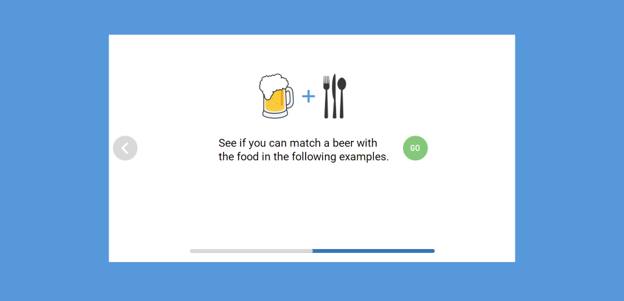
Training at this level is a passive experience where the participant simply consumes information. At this stage, participants typically read through content and progress by clicking a "next" button. Such training usually consists only of text and images, with little to no multimedia elements. Furthermore, assessments in Level 1 training generally consist of simple multiple-choice or true/false questions. While Level 1 e-learning is simple, it can be used as a quick way to cover basic rules or procedures in the initial stages.
To better understand what Level 1 content looks like, here is an example:
Level 2: Limited Interaction
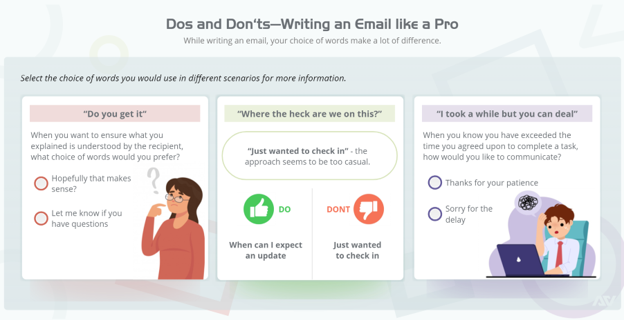
Level 2 e-learning content begins to incorporate multimedia to offer participants a richer learning experience. At this stage, training materials can be enhanced with visual and audio components such as audio, some video elements, basic animations, and a few simple transitions. Additionally, training at this level often includes interactive learning tools like clickable demonstrations alongside narration. Level 2 assessments evolve to include drag-and-drop interactions and matching activities.
If you are looking for a good middle ground that offers a richer learning experience without excessive development time, Level 2 e-learning is likely a good choice.
Here are some examples of Level 2 content:

Level 3: Complex Interaction
In Level 3 e-learning training, interactions become even more complex. At this level, comprehensive audio, video, transitions, animations, and more can be included. The assessment may feature extensive, scenario-based questions that allow participants to explore multiple paths and levels of feedback.
Level 3 e-learning is generally a good choice if you want to teach your participants more complex skills, such as creating training for new nurses on patient care.
Here are some examples of Level 3 e-learning:
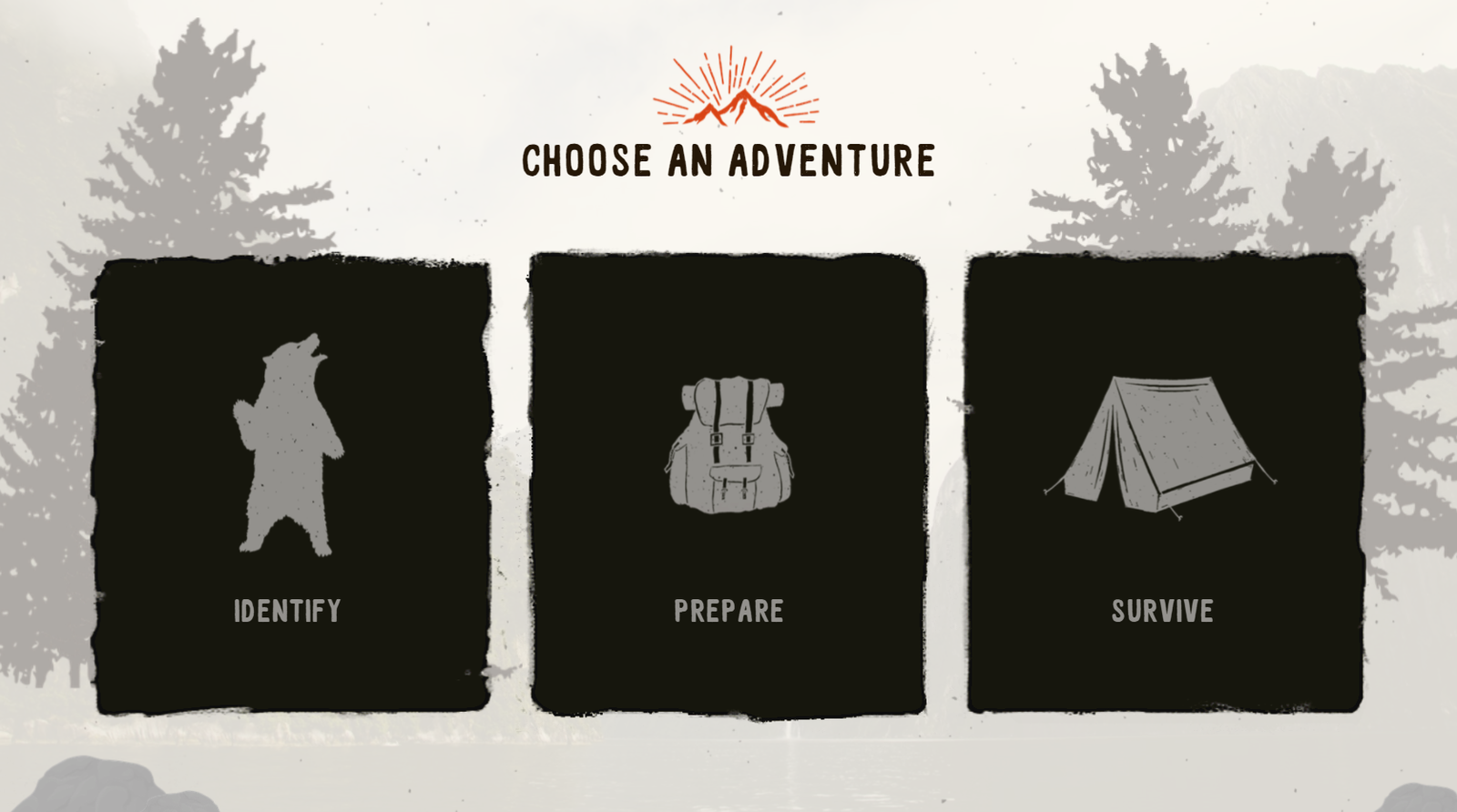
Level 4: Immersive Interaction
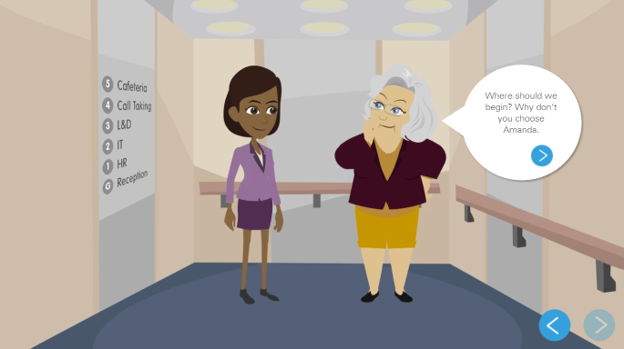
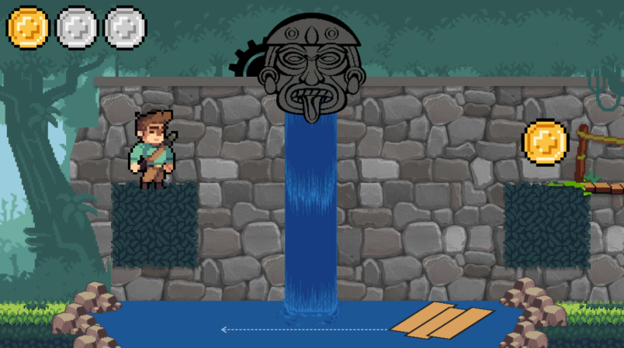
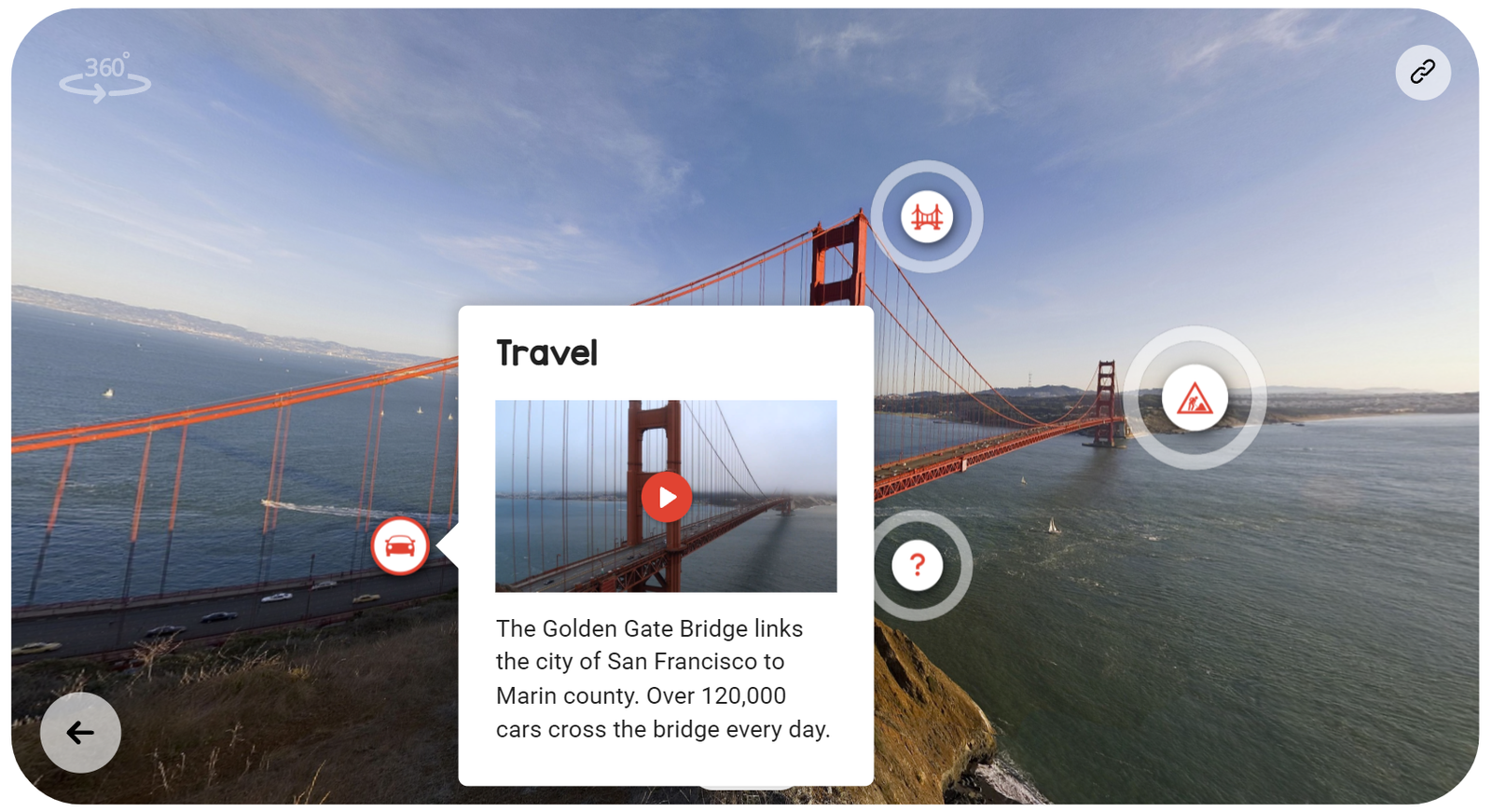
Level 4 e-learning uses all the components of levels 1, 2, and 3, plus gamification or simulation. These trainings may include 360° images, games or complex gamification, scenarios, avatars, or interactive videos. This level is more immersive than other e-learning levels. As participants interact with the training, they receive feedback on their choices. In some cases, their choices may even influence the content presented next.
This makes Level 4 e-learning perfect for participants who need to develop real-time decision-making skills. Although developing this training content takes a significant amount of time, the participant experience is worth the effort.
Take a look at a few examples:
Fully understanding the educational levels of participants when creating training content will provide a major advantage when developing training programmes. This approach makes training materials more effective and enriches the participants' learning experiences. It also allows for a more lasting understanding and application of the knowledge learned.
Training content prepared by taking the participants' educational levels into account offers them a personalised learning experience. This helps participants feel more motivated and encourages greater engagement in the learning process. By distinguishing between those with foundational knowledge and those who require more advanced information, training materials provide a learning experience tailored to everyone's needs.
Discover Articulate 360 today and start creating e-learning content tailored to your learners' needs.
Get in touch with us for more information!